The essentials
What an ads clicker is
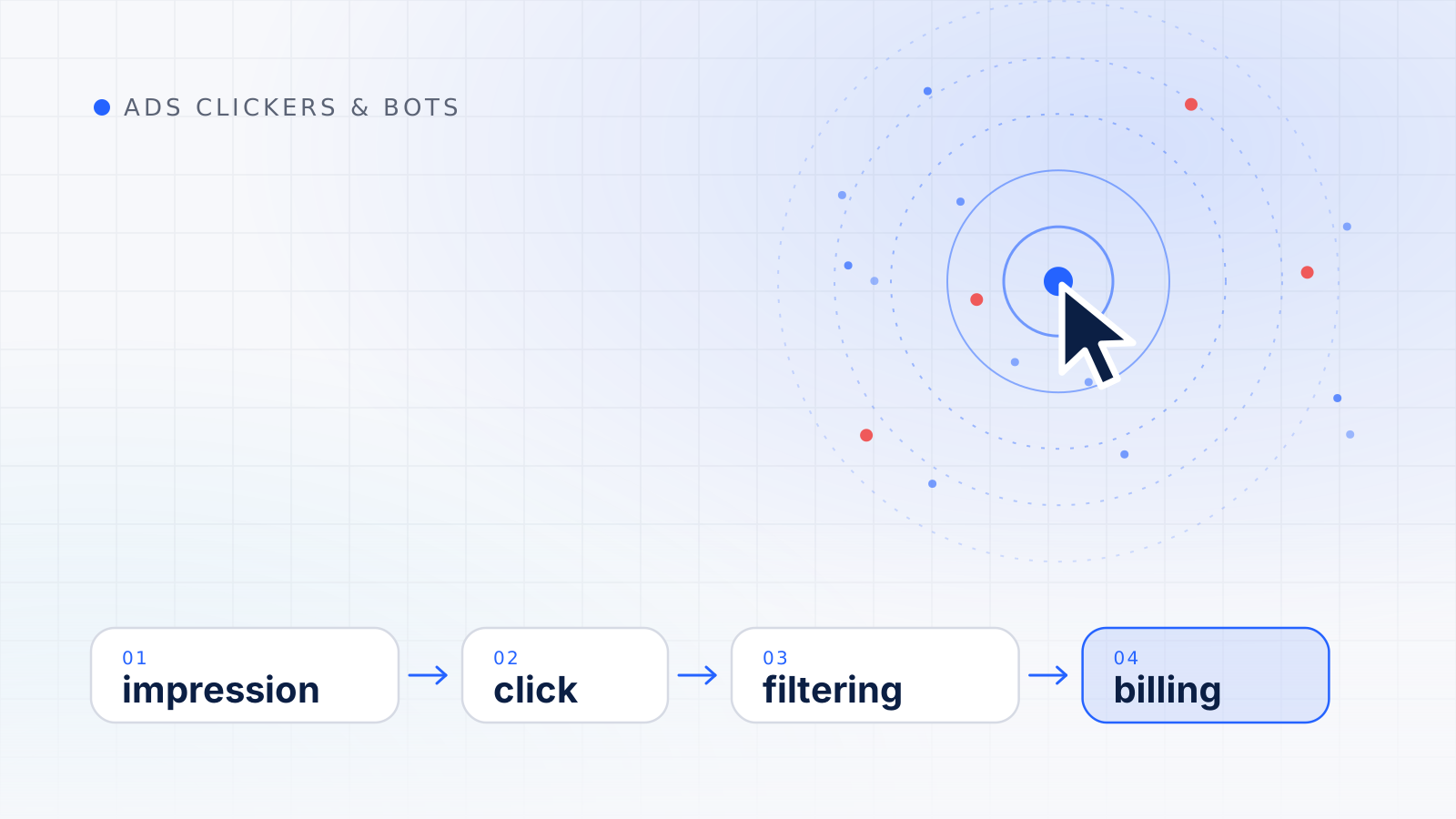
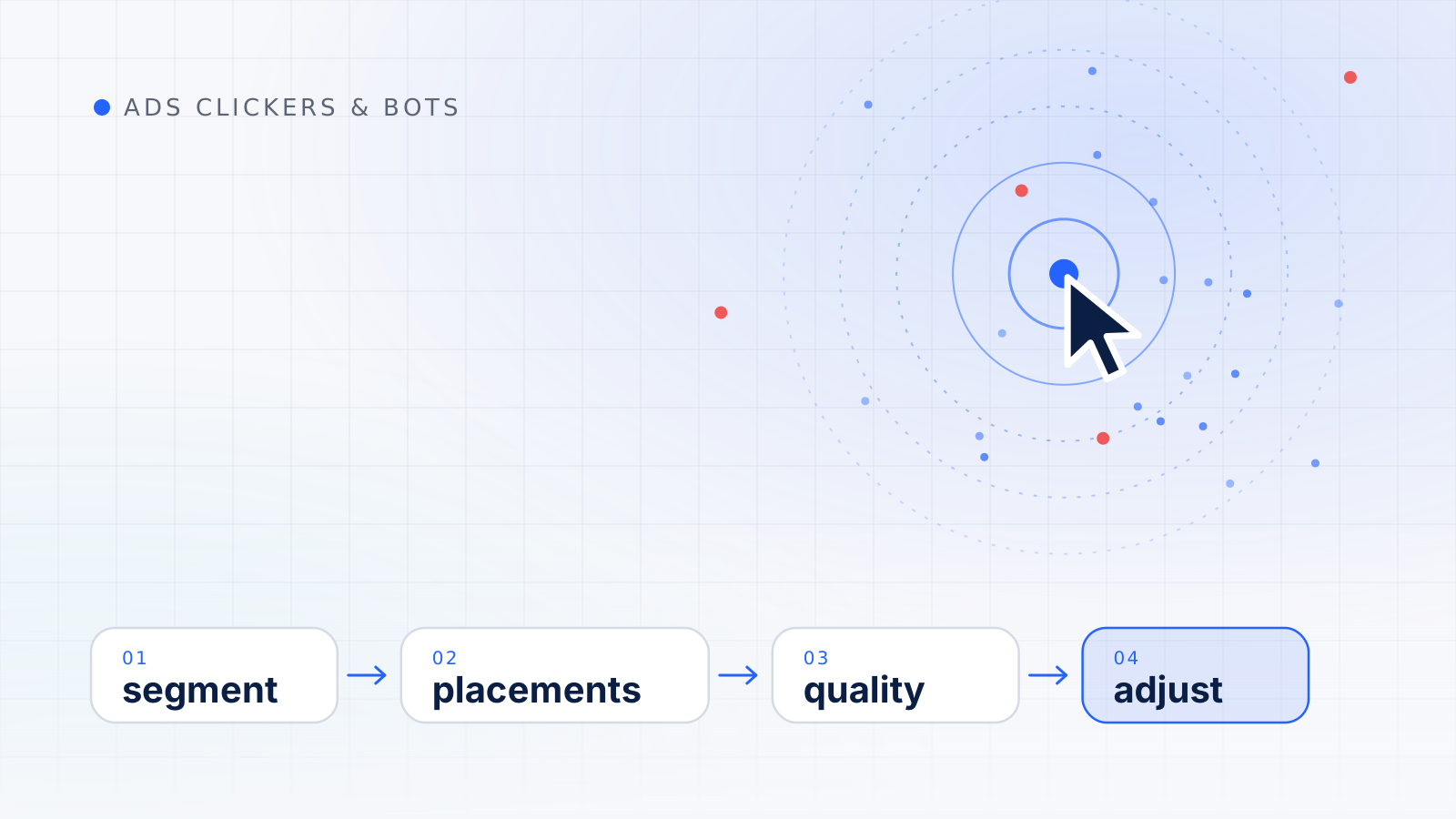
“Ads clicker” is used in at least four ways. Most often it means software that clicks online ads automatically, a click bot. It can also describe people paid to click ads, sometimes organized as click farms; browser extensions that click ads in the background as a privacy protest; and, loosely, any tool that counts or tracks the clicks an ad receives. The first three produce clicks that do not come from genuine interest, which is why ad platforms treat them as invalid. The last is ordinary measurement.
For an advertiser the difference matters, because every paid click costs money and feeds the data that automated bidding learns from. Our guide to what an ads clicker actually is covers each meaning in depth, along with the misunderstandings that surround the term.
Google Ads clicker: how clicks are counted, filtered and billed
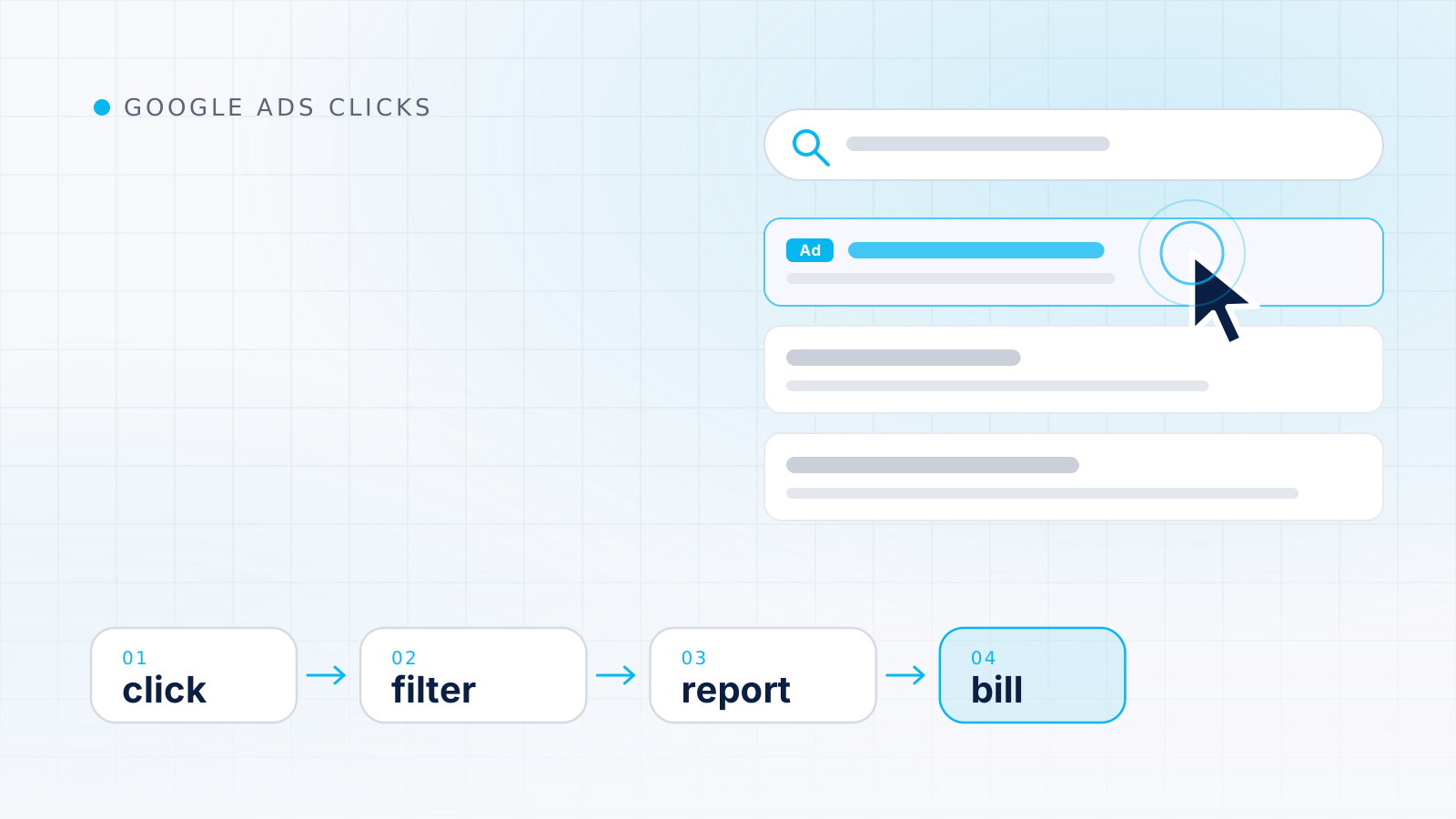
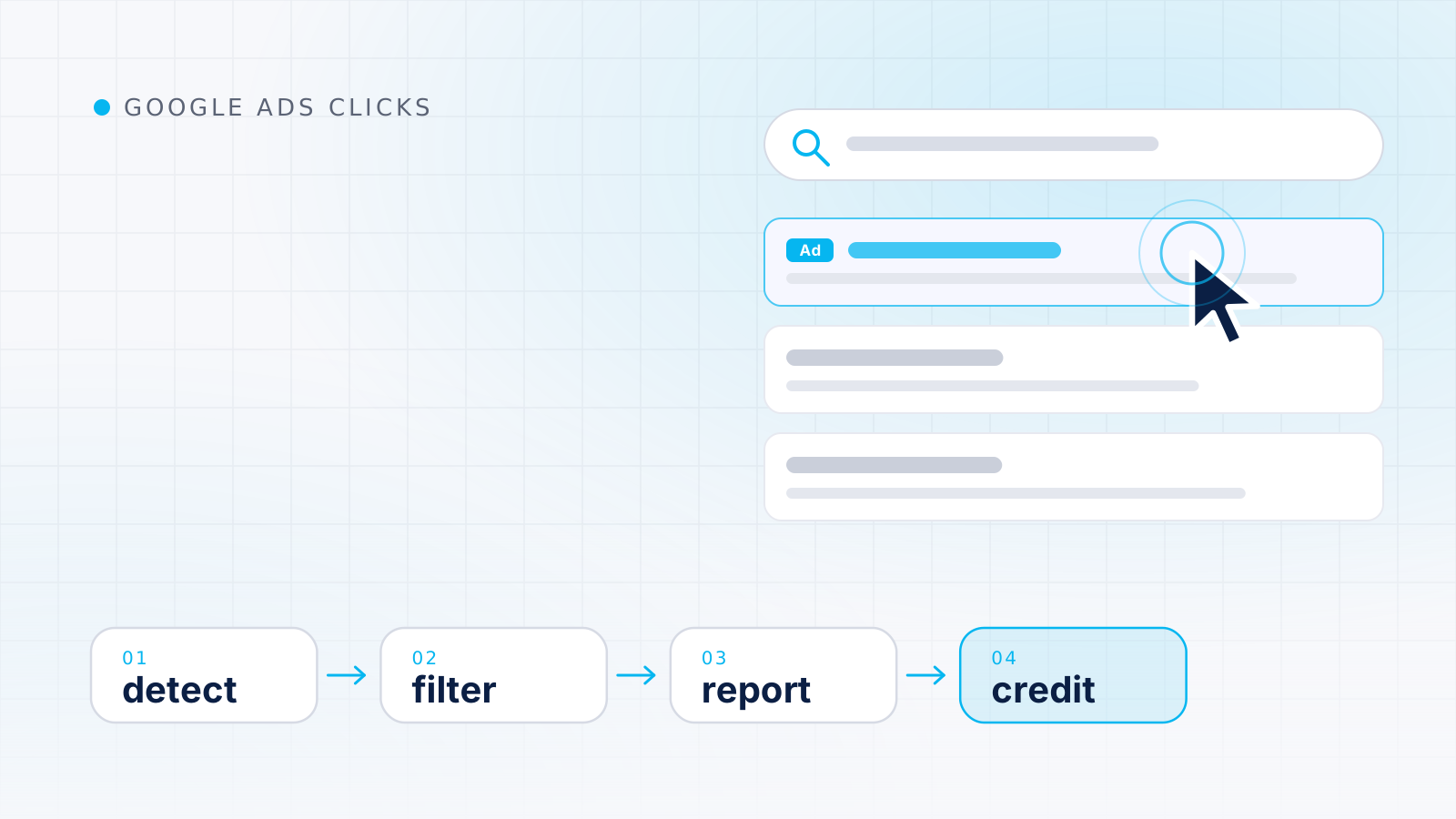
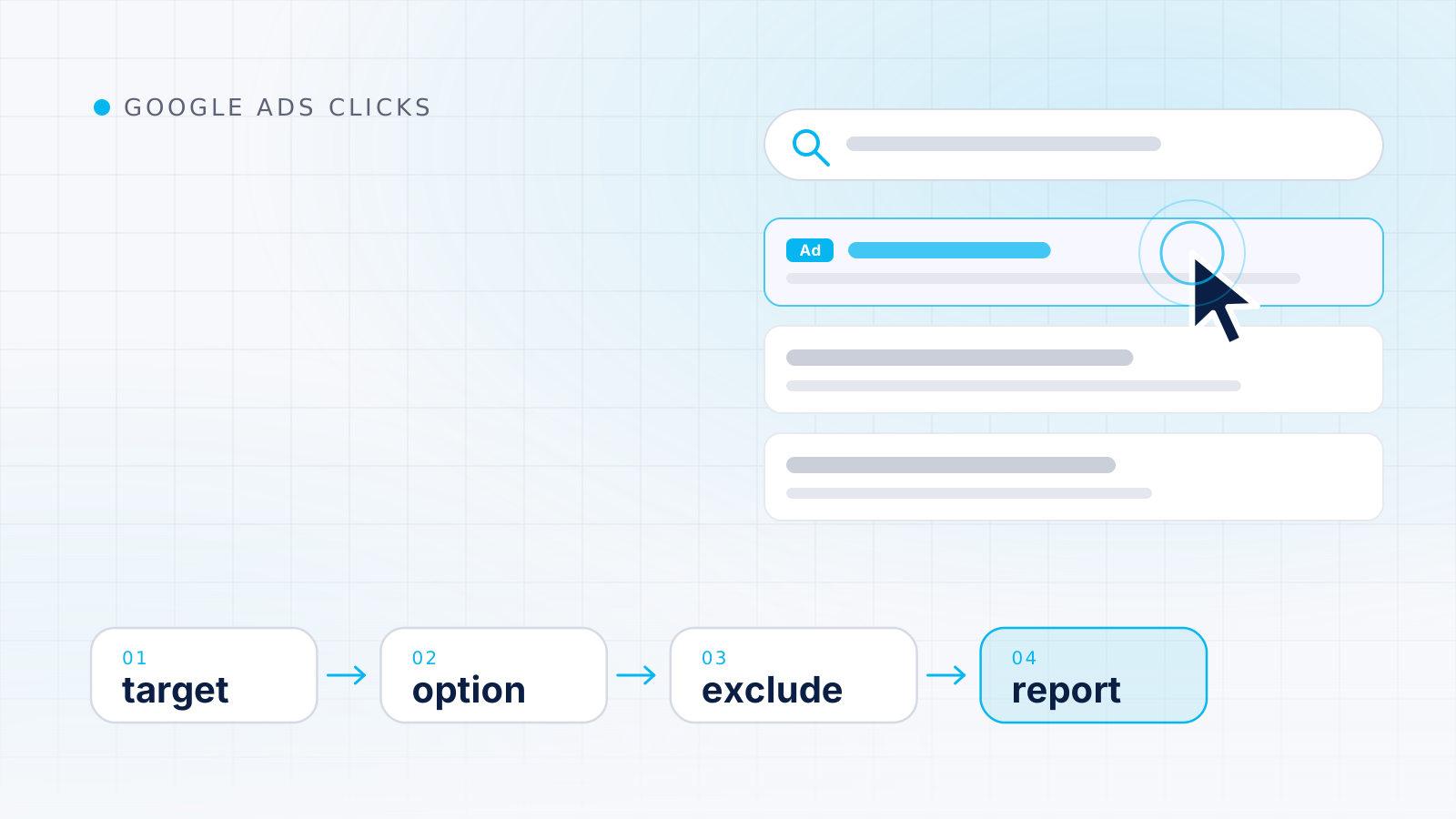
People who search for a Google Ads clicker usually want one of three things: a tool that clicks Google ads, an explanation of the clicks in their own account, or reassurance that nobody is clicking their ads to drain the budget. The useful answer to all three starts with how Google Ads handles a click. Google records it, checks it against its invalid-traffic systems and charges only for clicks it treats as valid. Clicks identified as invalid are filtered out of billing and shown separately, and activity identified after the fact can lead to a credit, as Google explains in its help article About invalid traffic.
That process is why clicking ads yourself, or with software, achieves less than people expect, and why the click column in Google Ads rarely matches the sessions in analytics. The Google Ads clicker guide walks through click reporting, and the explainer on invalid clicks in Google Ads covers the reporting columns, credits and investigation requests.
Ads clicker bots and other automated ad traffic
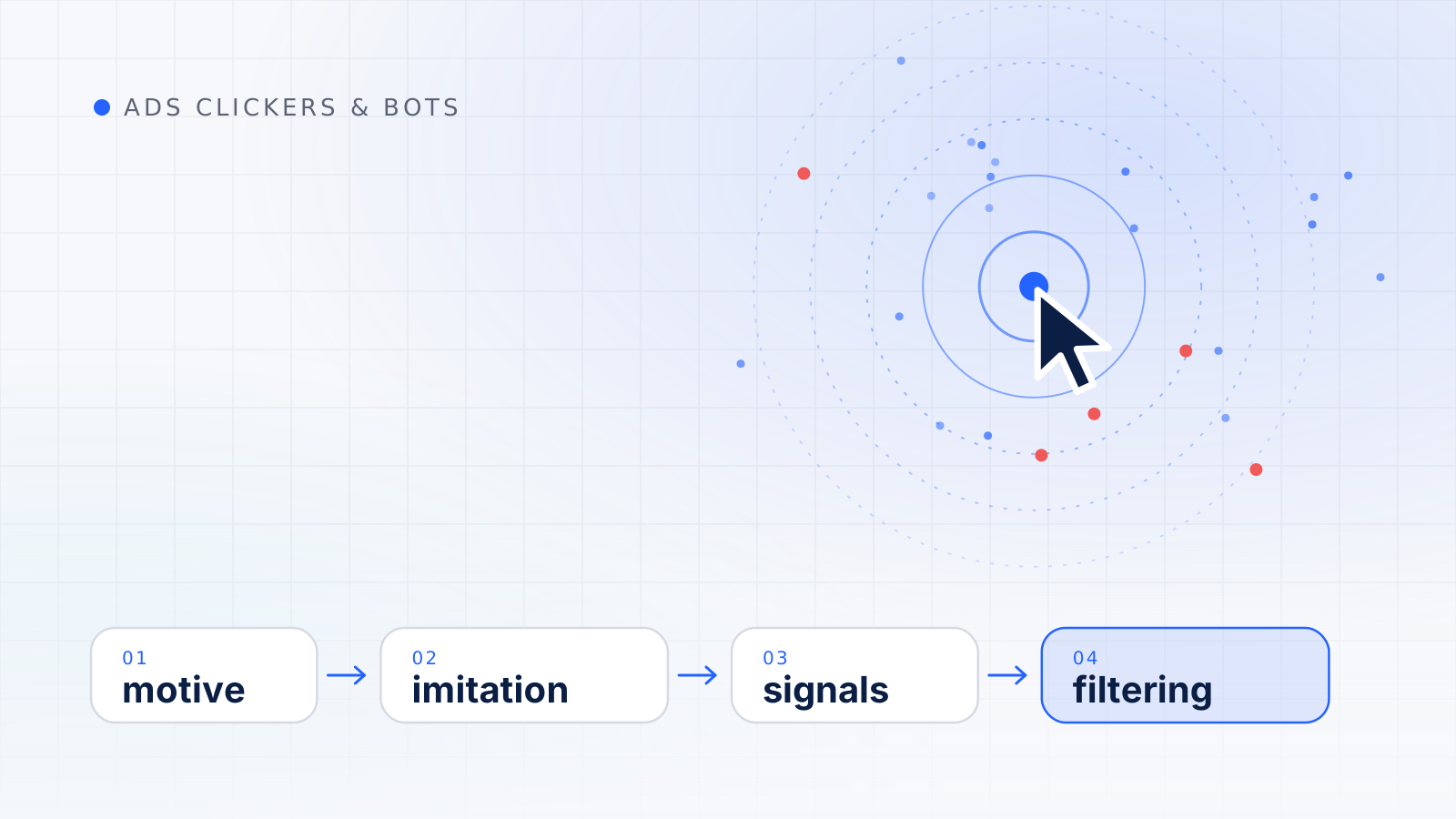
An ads clicker bot is software built to imitate a person who sees and clicks an ad. Some are sold as “traffic” tools, some are hidden inside malware on other people's devices, and some are run by dishonest publishers who earn money when ads on their sites are clicked. All of them break advertising policies, and the clicks they create are invalid by definition.
Bots are only one part of the automated traffic around ads. Search and ad-quality crawlers, link-preview services, security scanners and monitoring tools all request landing pages without being customers, and most of that activity is harmless. The ads clicker bot explainer describes how click bots are recognized, at a conceptual level, and the overview of automated ad traffic maps the benign and malicious kinds side by side. We do not publish instructions for building or running click bots.
Invalid clicks and click fraud: what you can actually verify
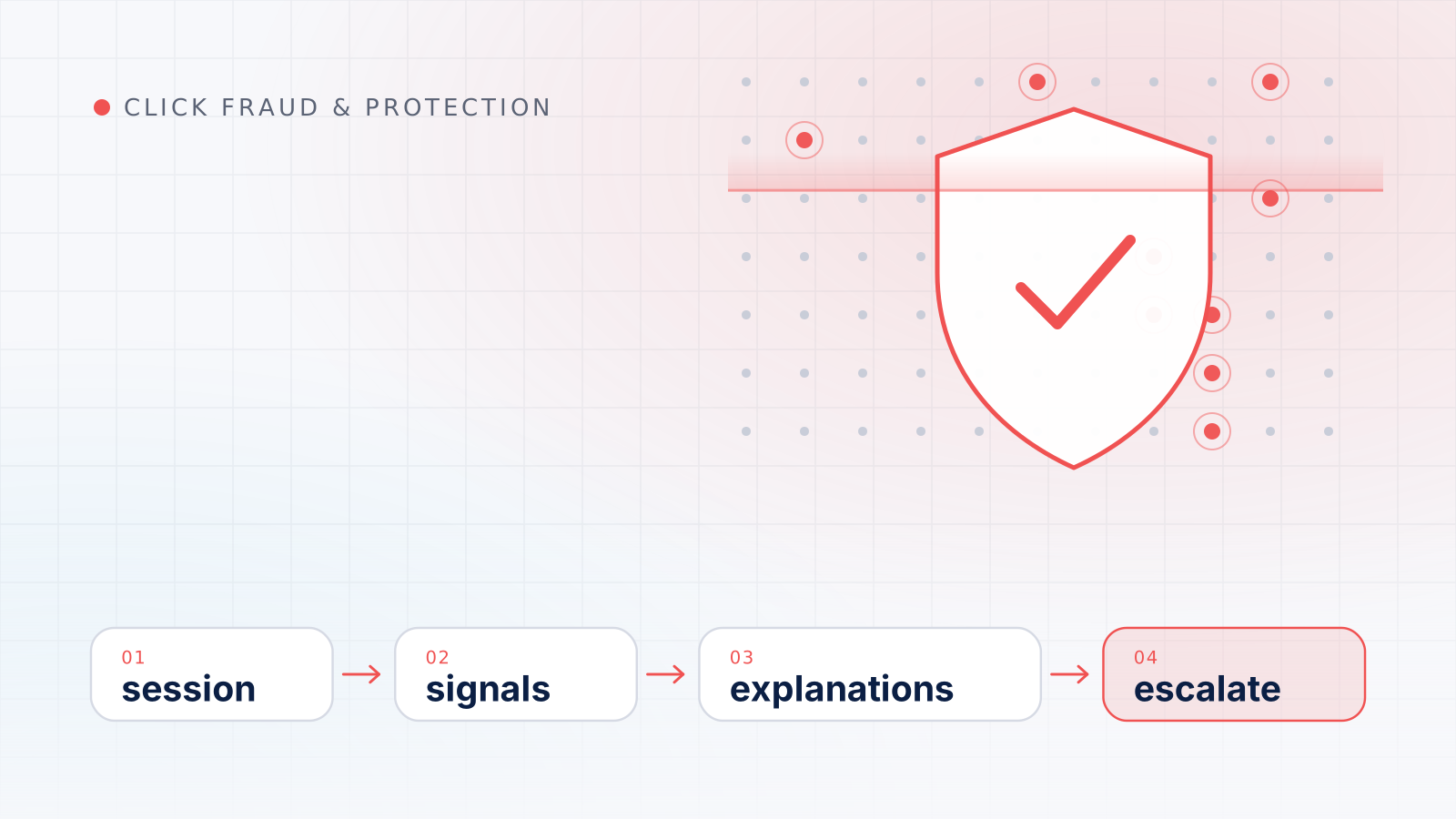
Invalid clicks and click fraud overlap, but they are not the same thing. “Invalid” is the broad category: any click that does not reflect genuine interest, including accidental and duplicate clicks. Click fraud is the deliberate part of it, such as competitors, publishers or bot operators clicking to cause cost or earn revenue.
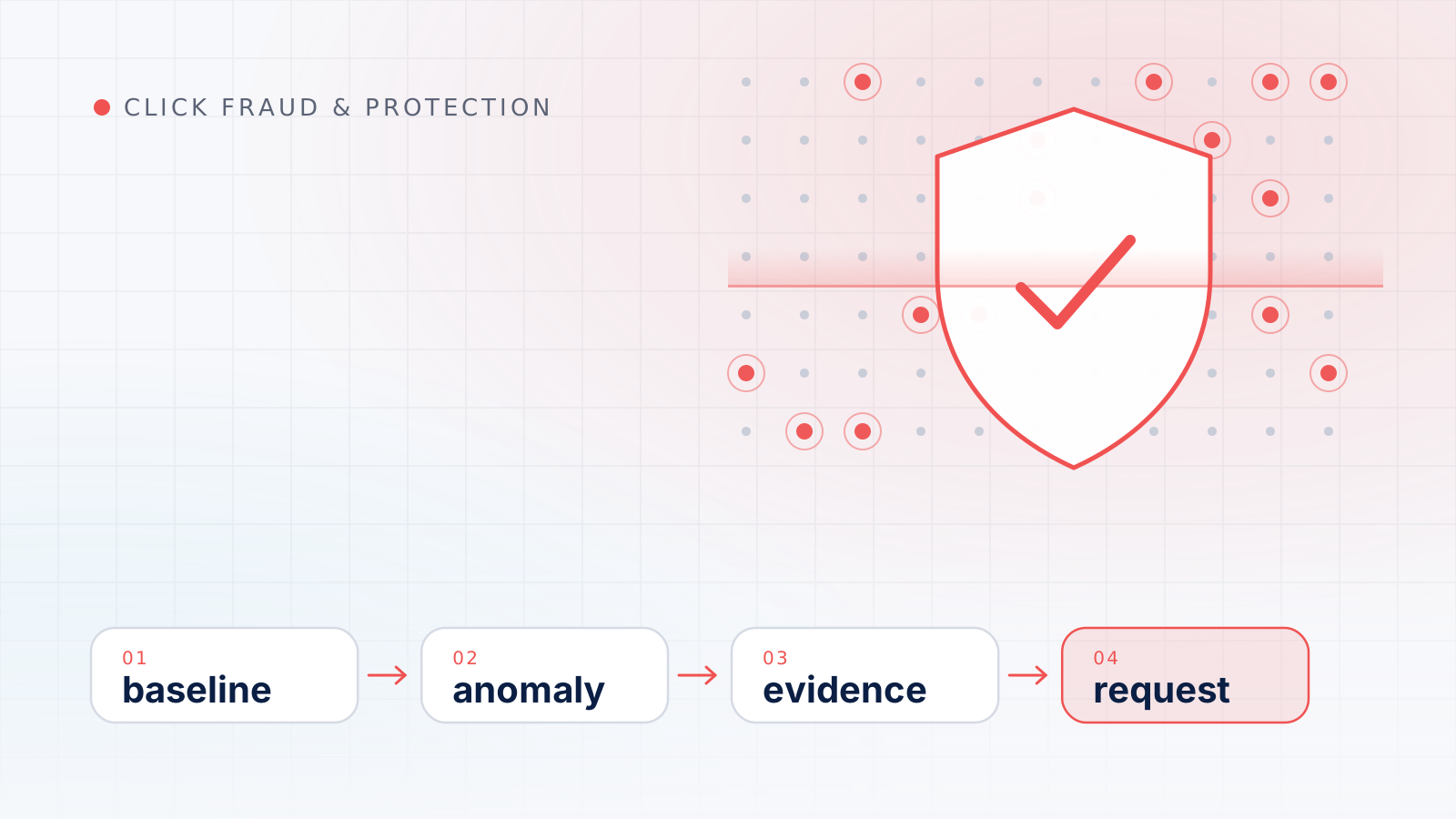
From the advertiser's side, a single click proves very little. What you can do is compare traffic with a baseline, look for changes that ordinary causes cannot explain and document them carefully. Click fraud detection sets out that method, the guide to click fraud on Google Ads explains how to report a case, and invalid click protection covers the safeguards an advertiser controls directly.
Measuring traffic quality instead of guessing
A click that does not convert is not automatically a bad click, and a campaign with a low conversion rate is not automatically under attack. Traffic quality is easier to judge by segment: network, device, location, hour, placement and search term, each compared with its own history. Ad traffic analysis describes a weekly review routine, and cost per click measurement shows why an average can move even when nothing about the traffic has changed.
Wasted spend often comes from settings rather than fraud: broad matching, location options that include people who are only interested in an area, and placements nobody has reviewed. The guide to Google Ads budget waste lists the usual causes in the order worth checking.
What click data cannot tell you
Click data has limits that every conclusion should respect. Ad platforms do not hand advertisers the full technical detail behind each click; analytics only sees visitors whose browser loaded the tag and, where consent is required, who allowed measurement; and shared networks such as mobile carriers and offices put many real people behind one address. The guides to reading suspicious ad sessions and ad click tracking explain what each data source can and cannot show.